
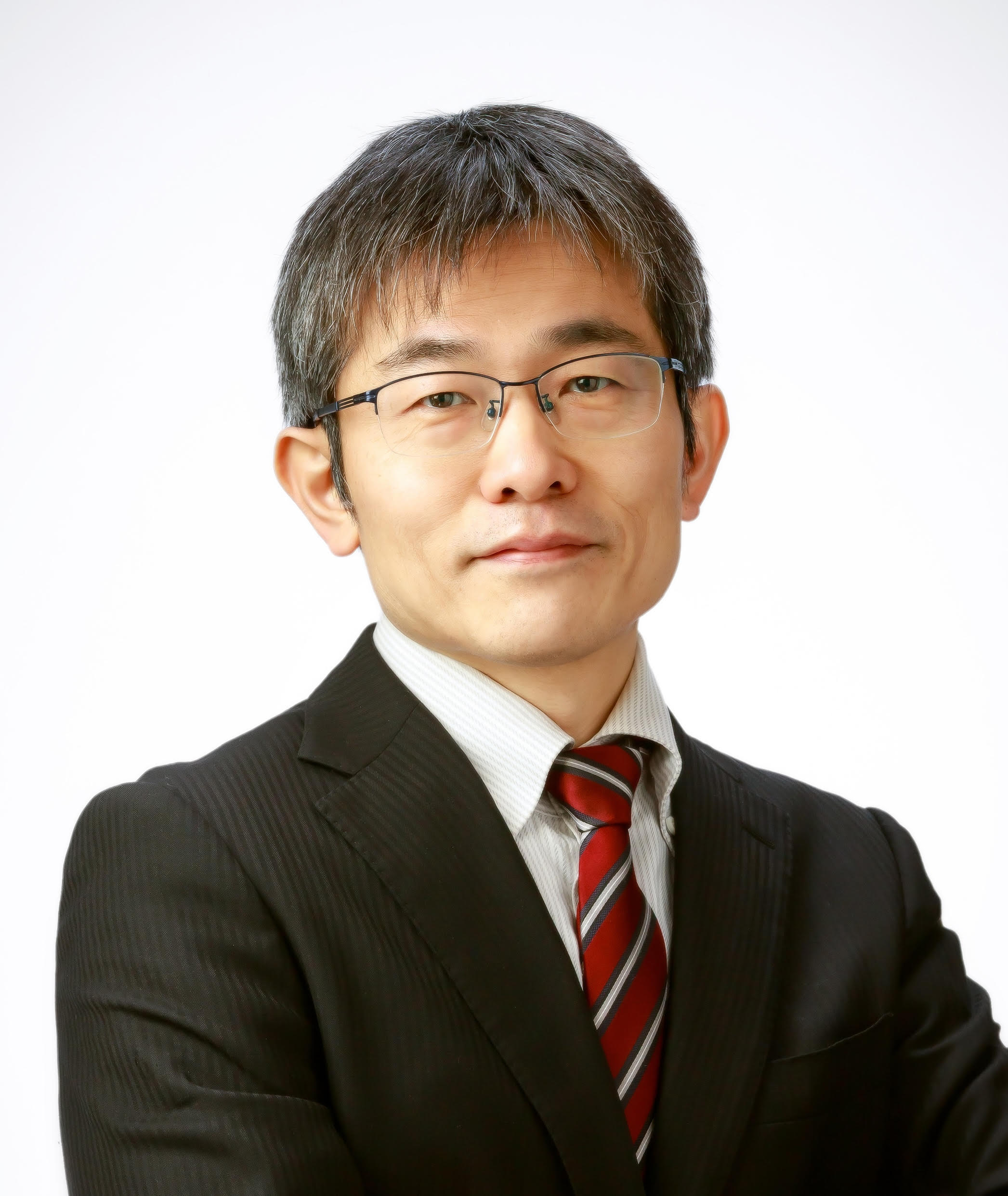
My name is Kenji Chamoto, and as of February 1, 2026, I have been appointed Professor of the Division of Cancer Immune Regulation at the Center for Cancer Immunotherapy and Immunobiology (CCII), Graduate School of Medicine, Kyoto University. It is a great privilege to join the Graduate School of Medicine at Kyoto University, an institution with a long and distinguished history of excellence in medical research and education, and to engage in new research and educational activities in this outstanding academic environment.
For approximately 25 years, my research has focused on tumor immunology. After completing my doctoral training at the Graduate School of Medicine, Hokkaido University, in 2006, I conducted fundamental immunology research at the same institution, where I became deeply aware of the potential of immunotherapy in cancer treatment. At that time, cancer immunotherapy was not yet widely accepted, and many remained skeptical about its effectiveness. Nevertheless, guided by experimental evidence and a firm conviction that cancer can be recognized and controlled by the immune system, I continued pursuing basic research in this field.
Subsequently, I conducted research on cancer–immune system interactions at Harvard Medical School in the United States and at Princess Margaret Cancer Centre in Toronto, Canada. Through these experiences in international research environments, I deepened my understanding of both the fundamental mechanisms and the clinical significance of cancer immunology.
A major turning point in cancer treatment occurred in 2014 with the advent of immune checkpoint inhibitor therapy. In 2015, I joined the Graduate School of Medicine, Kyoto University as an Assistant Professor, where I worked under Professor Tasuku Honjo, who made seminal contributions to the development of PD-1 blockade cancer immunotherapy. My research during this period focused on the mechanisms of cancer immune responses centered on immune checkpoint molecules. Over the subsequent eight years, during which I served as Lecturer and Associate Professor, I learned invaluable lessons regarding scientific rigor, the importance of formulating original research questions from a broad perspective, the pursuit of fundamental scientific principles, and effective laboratory management.
Through my studies on immune checkpoint molecules, I came to strongly recognize that cancer immune responses are highly complex phenomena that cannot be fully explained by single molecules or pathways alone. This realization underscored the necessity of a more comprehensive, interdisciplinary approach. Since 2023, as a Program-specific Professor leading an independent laboratory in the Department of Immuno-oncology PDT at the Graduate School of Medicine, I have explored new directions in cancer immunology by integrating immunology with related fields, including metabolism, aging, and inflammation. With the establishment of a new laboratory as the Division of Cancer Immune Regulation at CCII, I aim to further develop this research foundation and advance a more systematic and integrated approach to cancer immunology.
Although immune checkpoint inhibitor therapy has revolutionized cancer treatment, a critical challenge remains: more than half of patients do not achieve sufficient clinical benefit. While the mechanisms underlying treatment resistance are diverse, our research focuses on the metabolic state of immune cells as a fundamental determinant of the quality and durability of immune responses. From the perspective of immunometabolism, we seek to redefine the regulatory mechanisms governing cancer immunity. In particular, we focus on mitochondrial function, which plays a central role in immune cell maintenance and fate determination, and investigate at the molecular and cellular levels how metabolic stress and nutrient conditions within the tumor microenvironment influence immune cell activation, exhaustion, and therapeutic responsiveness.
Beyond pursuing basic research as an intellectual endeavor, we prioritize translating our findings into tangible benefits for patients. Through active engagement in translational research that bridges basic science and clinical application, we aim to develop novel therapeutic strategies that overcome the current limitations of cancer immunotherapy.
Established in 2020, CCII serves as a central hub for cancer immunology research spanning from basic science to clinical application in Japan. Moving forward, I hope to fully leverage the diverse research resources and human networks within CCII and to further strengthen collaborations with researchers and clinicians both within and outside Kyoto University. I am committed to advancing both research and education so that CCII can become a leading international center for cancer immunology.
In terms of education, I am dedicated to helping medical students and graduate students appreciate both the fundamental excitement and the societal significance of immunology and cancer research. By fostering an environment that values intellectual freedom and scientific challenge, I hope to contribute to the development of the next generation of researchers and clinicians who can thrive on the global stage.
As a member of the Graduate School of Medicine at Kyoto University, I will devote myself wholeheartedly to contributing to the advancement of medicine and life sciences through research, education, and service to society. I sincerely appreciate your continued guidance and support.