
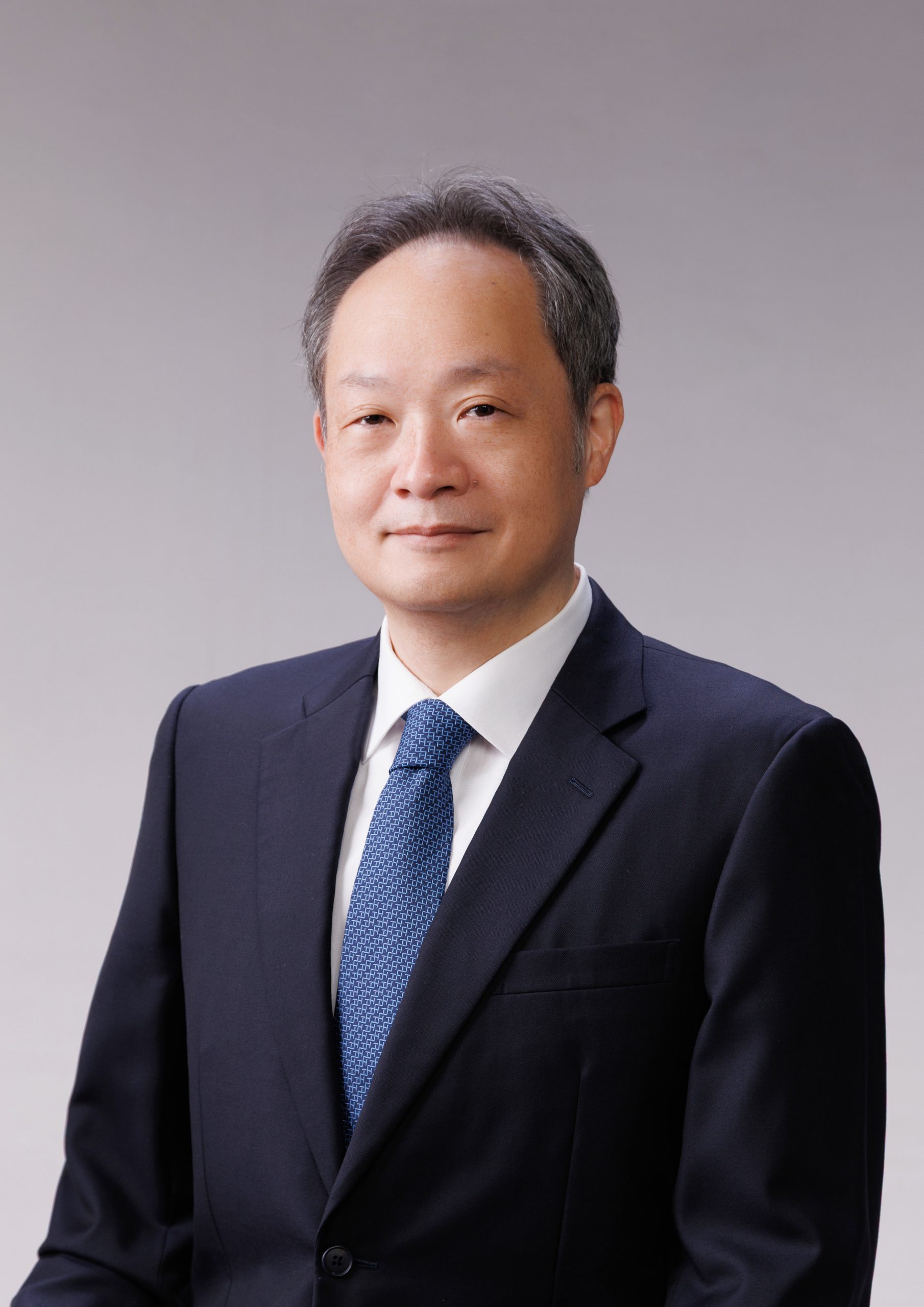
I am Toyofumi Yoshikawa, who has been appointed as the Professor of Thoracic Surgery in the Department of Thoracic Surgery, Kyoto University Graduate School of Medicine, effective February 1, 2026. Upon assuming this position, I would like to extend my sincere greetings.
I graduated from the Faculty of Medicine at Kyoto University in 1997 and joined the Department of Surgery at the Chest Disease Research Institute, Kyoto University, led by the third director, Professor Shigeki Hitomi. After clinical training focused on thoracic surgery and cardiovascular surgery at Kochi Municipal Hospital and Shizuoka City Shizuoka Hospital, I returned to Kyoto University in 2003 to join the Department of Thoracic Surgery, Kyoto University Graduate School of Medicine, led by the fourth director, Professor Hiromi Wada. Fascinated by lung transplantation, which dramatically restores function in patients with end-stage respiratory failure, I pursued graduate studies focused on lung transplantation from cardiac-dead donors. My research investigated warm-ischemic reperfusion injury in the lung using an ex vivo lung perfusion (EVLP) model. After obtaining PhD degree in 2007, I had the opportunity to train as a clinical fellow in lung transplantation at the Department of Thoracic Surgery, University of Toronto (under Professor Shaf Keshavjee). There, I gained hands-on experience in lung transplantation using EVLP—a technique I researched during my graduate studies—and in lung transplantation from cardiac-dead donors.
In 2009, I returned to Kyoto University and spent approximately ten years as a core operative member in over 200 lung transplants under the guidance of Professor Hiroshi Date, the fifth head of the department. I gained experience in numerous world-first and Japan-first lung transplant cases. I vividly recall the world’s first right-to-left inverted living donor lobar lung transplantation (LDLLT) we performed in 2014, including the process of conceiving the idea and the frantic efforts to create the actual three-dimensional (3D) model. Furthermore, I developed a keen interest in size matching using 3D volumetry in LDLLT, lung transplantation following hematopoietic stem cell transplantation including cases of blood type incompatibility, and donor-specific antibodies and antibody-mediated rejection in lung transplantation. This led me to actively engage not only in clinical work but also in research. Additionally, I became interested in surgical simulation using 3D images and developed a preoperative marking method using indocyanine green (ICG) for peripheral small lung cancers (ICG-VAL-MAP). During this work, I recognized the limitation that existing 3D images did not account for intraoperative lung deformation. Consequently, I collaborated with Professor Megumi Nakao of the School of Human Health Sciences, Kyoto University Graduate School of Medicine to jointly develop “dynamic 3D images” that adapt to deformation caused by lung deflation and surgical manipulation.
In 2019, I assumed the position of Professor in the Department of Thoracic Surgery at Nagoya University Graduate School of Medicine. My primary focus was clinical practice, increasing the number of primary lung cancer surgeries from just over 200 cases annually to 350 cases by 2025—the highest volume among national and public universities. In the same year, robot-assisted thoracoscopic surgery (RATS) cases exceeded 300, the highest number in Japan for a thoracic surgery department. The driving force behind this was a new initiative: nearly all surgeons performing clinical work, not just specific doctors performing RATS procedures. Furthermore, I initiated preparation for clinical lung transplantation from scratch at Nagoya University Hospital. In March 2023, the hospital became the 11th facility in Japan certified to perform lung transplants. In August 2025, Nagoya University Hospital successfully performed its first lung transplant. During my six and a half years in office, I significantly expanded the team, welcoming 37 new members. Research activities were also broad, covering lung cancer, thymic tumors, mesothelioma, surgical simulation, and intestinal respiration.
After six and a half years away from my alma mater’s Department of Thoracic Surgery, observing it from the outside reaffirmed its profound significance: a history spanning over 80 years and a diverse alumni network exceeding 400 members. Under the leadership of Professor Hiroshi Date, the fifth chair and now a professor at Duke University, the department gained worldwide renown as the largest LDLLT center. Leveraging lung transplant techniques as its foundation, it expanded its surgical scope to encompass a broad range of thoracic surgical practice. In research, it advanced diverse studies centered on three pillars: lung cancer, lung transplantation, and regenerative and biomedical engineering medicine. The Department of Thoracic Surgery at Kyoto University is truly Japan’s largest team in both name and substance. I keenly feel the immense responsibility of being entrusted with such a team. Since the appointment of the first chair, Professor Chuzo Nagaishi, in 1953, I intend to carry forward the enduring spirit of the department and strive diligently to uphold its history.
First, to meet the diverse demands of future thoracic surgery practice, we will cultivate various types of professional thoracic surgeons. Leveraging Kyoto University’s strength in lung transplantation, we will train as many thoracic surgeons as possible who are capable of performing both lung transplantation and lung cancer surgery. Furthermore, to ensure the sustainable development of both clinical practice and research, we will strive to cultivate Surgeon Scientists with a foundation in clinical thoracic surgery. Additionally, given Kyoto University’s unique network of affiliated hospitals, training thoracic surgeons to serve regional respiratory surgical needs is crucial. To achieve this, we will build the Kyoto University Thoracic Surgery Team. This team will be anchored by the university department, with many affiliated hospitals collaborating and connecting, fostering two-way communication. People perceive, grasp, and think about happiness differently. As a thoracic surgeon, I will build a diverse team where each member can pursue their own happiness without restriction from others. Moving forward, to realize this dream, I am determined to work alongside the department members, focusing on the three essential pillars of clinical practice, education, and research, and to dedicate myself to establishing and deepening our organizational framework.
I sincerely appreciate your continued support and cooperation.